
Step 5 focuses on comprehensive technical analyses and feasibility studies to identify optimal pathways for modernizing, decarbonizing, and expanding the district heating system. It evaluates the integration of renewable energy sources and storage, modernization of infrastructure and control systems through digitization, and potential network extensions to new areas. Sector coupling with electricity, gas, and wastewater systems is explored to enhance efficiency and resilience. Scenario-based modelling is used to compare technical options, considering cost, feasibility, environmental impact, and social acceptance, while accounting for uncertainties such as energy prices, policy shifts, and market trends.
- In-depth technical analysis and feasibility studies
- Scenario development for
- Modernization measures (e.g. upgrading or replacing network infrastructure, monitoring systems, heat supply units; improved control strategies; expanding data collection and analysis tools …)
- Feasibility of RES and waste heat utilization integration and storages
- Extension of the DHC system to potential new areas
Useful links
| Tool | Link | Description | Category (main focus) | Picture |
| IEA DHC - TS5 Annex - Integration of Renewable Energy Sources into existing District Heating and Cooling Systems | https://www.iea-dhc.org/2019-2024-annex-ts5 | IEA DHC Annex TS5 reviewed international best practices for adding renewable energy sources to existing large urban district heating and cooling systems. Target is to decarbonize these systems faster and more cost-effectively by providing practical knowledge on renewable technologies, system transformation, decentralized integration, and supportive policy frameworks. The TS5 Guidebook summarizes the findings in a practical format for district heating professionals, authorities, and policymakers. | best practice | 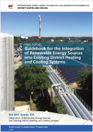  |
| AGFW Guidelines for DH transformation planning | https://www.agfw.de/transformationsplan | The document summarises helpful tips, tried-and-tested ideas and procedures that address the creation of transformation plans (based on German funding guidelines). It essentially addresses the topics of actual state analysis, determination of potential, target state, path to greenhouse gas neutrality and cost framework. | planning | 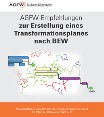 |